
Losing weight without constantly counting calories or going through the day feeling hungry is possible with the Glyx Diet. This dietary approach focuses on foods that raise blood sugar more slowly and keep you feeling full. In this article, you’ll learn how to apply this principle in your daily life, which foods to include on your plate, and what to keep in mind.
Verival Muesli with No Added Sugar – Try It Now
What Makes the Glyx Diet Unique?
The Glyx Diet is based on the so-called glycemic index (GI). It indicates how much different foods raise blood sugar levels after consumption. Glucose serves as the reference value with a score of 100.
Foods with a low GI are generally digested more slowly than those with a high GI. The Glyx Diet therefore recommends, among other things, legumes, rolled oats, and minimally processed whole-grain products. White flour, sugar-rich foods, and highly processed grain products are limited.
However, the GI does not take into account either typical serving sizes or energy content. The glycemic load (GL) also factors in the actual amount of carbohydrates consumed. Preparation methods, processing, and combinations with protein, fat, and fiber also influence the blood sugar response. The German Nutrition Society (DGE) therefore recommends considering the GI as just one of several factors.
How can the Glyx diet help with weight loss?
The Glyx diet does not lead to weight loss solely because it avoids certain blood sugar spikes. Its potential benefit lies primarily in food selection. Many low-GI foods are high in fiber, minimally processed, and filling. This can make it easier to consume fewer calories overall.
More Steady Blood Sugar Levels
Foods with a lower GI often result in a more gradual rise in blood sugar after a meal. This does not mean that blood sugar must remain at the same level throughout. Fluctuations after eating are normal.
The meal as a whole is more important than the GI of any single food. Oatmeal on its own has a different effect than a bowl of oatmeal with plain yogurt, berries, and nuts.

Fewer Cravings
The assumption that every food with a high GI inevitably leads to a drop in blood sugar and subsequently to cravings is too simplistic. Hunger is also influenced by protein, fiber, sleep, stress, and habits.
Nevertheless, the Glyx diet can reduce typical craving triggers. People who replace sugary cereals, sweet pastries, or white bread with alternatives that are higher in fiber and protein often stay full longer.
Longer-Lasting Satiety
Vegetables, legumes, whole grains, oatmeal, and plain yogurt provide volume, fiber, or protein. This type of diet is often easier to stick to than a highly restricted meal plan.
Nuts, seeds, and plant-based oils add unsaturated fatty acids to your meals. Since they are high in calories, however, they should be consumed in moderate portions.
Basics of the Glyx Diet
If you want to lose weight with the Glyx diet, you can follow these guidelines:
- Choose minimally processed foods.
- Choose vegetables, legumes, and whole grains more often.
- Combine carbohydrates with protein and a small source of fat.
- Cut back on sugar-rich beverages and highly processed snacks.
- In addition to the GI, also consider portion size and energy density.
Total energy intake remains the decisive factor. Even with low-GI foods, weight gain is possible if you consistently consume more energy than you burn.
Research also shows no clear weight-loss advantage over other balanced diets. A review from 2023 examined ten randomized studies with a total of 1,210 participants. Diets with a low GI or low GL likely resulted in no difference—or only a small difference—in weight loss.
The Glyx principle can still be helpful if it makes it easier for you to choose filling foods and change your diet in the long term.
Foods with a low GI
The exact GI can vary depending on the variety, processing, and preparation. However, the following foods often have a low or moderate GI:
- Legumes such as lentils, beans, and chickpeas
- Oatmeal and oat bran
- Coarse whole-grain and multigrain bread
- Whole-grain pasta, cooked al dente if possible
- Vegetables and salads
- Berries, apples, pears, and citrus fruits
- Plain yogurt, skyr, and quark
- Nuts and seeds

For foods containing carbohydrates that are barely metabolized, the GI is of limited use. These include eggs, fish, tofu, cheese, and vegetable oils. A low or unmeasurable GI does not mean that eating any amount is advisable.
Reduce foods with a high GI
Instead of completely cutting out certain foods, you can eat high-GI foods less often or replace them. These often include:
- White bread, toast, and light-colored rolls
- Cornflakes and highly processed breakfast cereals
- Rice cakes
- Mashed potatoes and highly processed potato products
- Candy and sweet pastries
- Sugar-rich beverages
Here, too, the GI alone is not sufficient for evaluation. A food may have a high GI but provide only a few carbohydrates per serving. Conversely, foods with a low GI can be very high in calories. The quality of the food and the composition of the meal remain the decisive factors.
The Role of Fiber, Protein, and Healthy Fats
Fiber increases the volume of a meal and can help you feel full longer. Good sources include whole grains, oats, legumes, vegetables, fruits, nuts, and seeds.
Protein also promotes satiety and helps maintain lean body mass as much as possible during weight loss. Good sources include plain yogurt, skyr, cottage cheese, legumes, tofu, eggs, and fish.
Unsaturated fatty acids from nuts, seeds, avocados, and canola, flaxseed, or olive oil fit well into a Glyx diet. However, due to their high energy content, portion size is key. A small portion of nuts or a teaspoon of nut butter is often sufficient.
Losing Weight with the Glyx Diet in Practice
An everyday Glyx meal ideally consists of plenty of vegetables, a source of protein, an appropriate portion of minimally processed carbohydrates, and a small source of fat.
Possible dishes include a lentil salad with vegetables and feta, a whole-grain bowl with tofu, or a vegetable stir-fry with fish and a small portion of whole-grain rice.
You don’t have to plan every meal perfectly. Often, simple changes go a long way: water instead of soda, whole-grain bread instead of toast, or plain yogurt with fruit instead of sweetened fruit yogurt.
A Glyx-Friendly Breakfast
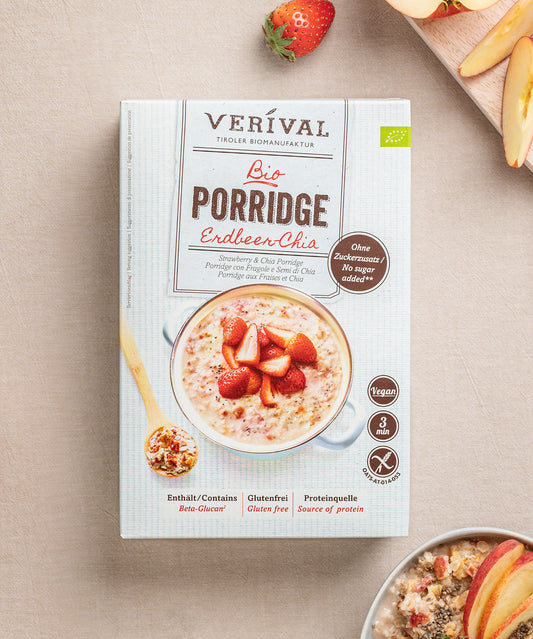
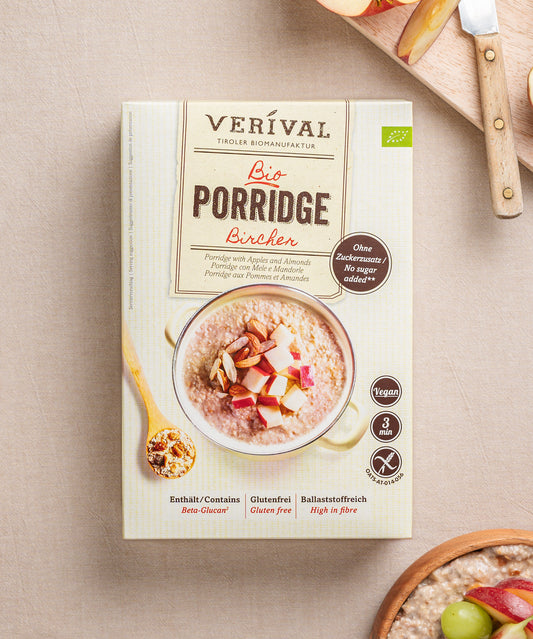
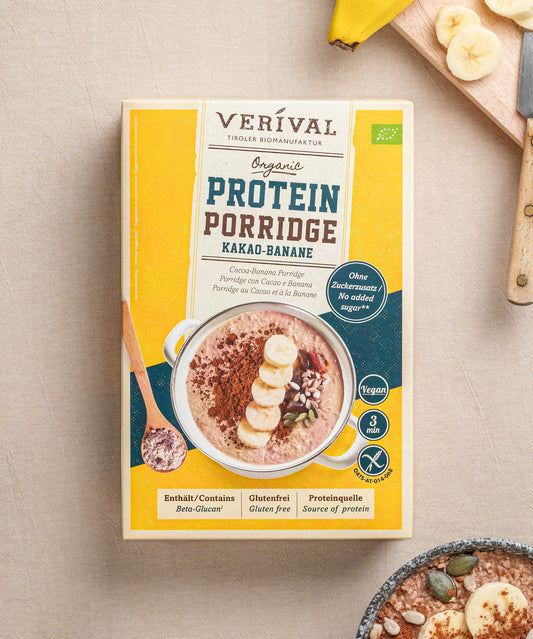
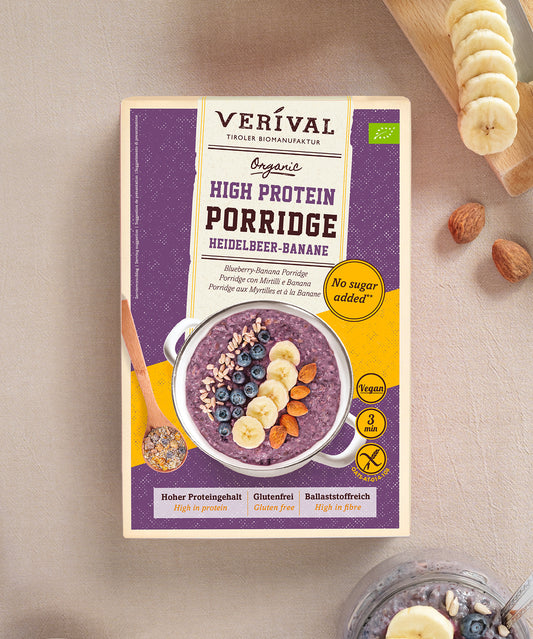
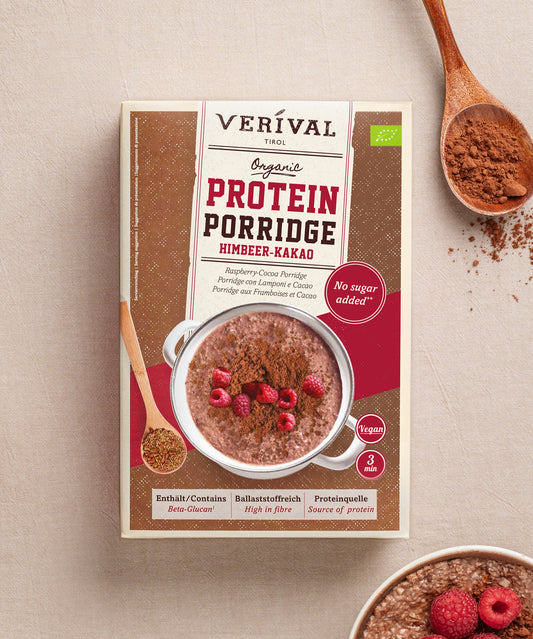
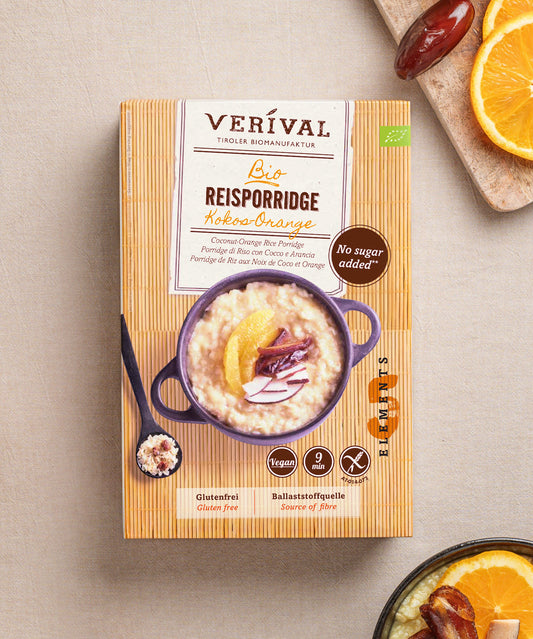
A balanced breakfast combines fiber-rich carbohydrates with protein and a small source of fat. A simple option is porridge or whole-grain muesli with plain yogurt, berries, and nuts or seeds.
A savory breakfast is also an option, such as whole-grain bread with cottage cheese, cucumber, and herbs, or an omelet with vegetables. What matters isn’t whether the Glyx diet breakfast is sweet or savory, but how it’s put together.
Glyx-Friendly Snacks
Snacks aren’t mandatory on the Glyx diet. If you’re hungry between meals, small combinations of fiber, protein, and fat are a good choice:
- plain yogurt with berries
- an apple with a few almonds
- vegetable sticks with hummus
- whole-grain crispbread with cottage cheese
- a hard-boiled egg with vegetables
Portion sizes matter here, too. Nuts, cheese, and nut butters are filling but provide a relatively high amount of energy.
Avoiding Common Mistakes on the Glyx Diet
Confusing the GI with Calorie Content
A low GI does not automatically mean that a food is low in calories. Oil, cheese, or nuts have only a minor effect on blood sugar, but can contain a lot of carbohydrates when consumed in large quantities.
Focusing only on individual foods
The GI is measured under standardized laboratory conditions. In everyday life, we eat mixed meals. Preparation, portion size, and food combinations are therefore often more important than a single value in a table.
Cutting out all carbohydrates
The Glyx Diet is not a carbohydrate-free diet. Legumes, oatmeal, whole-grain products, and fruit can still be part of your meal plan.
Using too many high-calorie extras
Nut butters, seeds, granola, avocado, and vegetable oils provide valuable nutrients. However, several generous portions in the same meal significantly increase the calorie content.
Expecting quick results
A low GI alone won’t make body fat disappear. Long-term changes in diet, exercise, and habits are more important than short-term restrictions.
Conclusion: Can you lose weight with the Glyx diet?
You can lose weight with the Glyx diet if its principles help you choose filling foods and consume fewer calories overall. However, the glycemic index alone does not cause weight loss and is not clearly superior to other balanced diets.
When implemented sensibly, the Glyx diet focuses on vegetables, legumes, oats, whole grains, and adequate protein. Portion sizes and sustainable long-term habits remain crucial, however.
High-fiber Verival breakfast—try it now
Frequently Asked Questions
Which foods are allowed on the Glyx diet?
The Glyx diet focuses on foods with a low to moderate GI, including vegetables, legumes, rolled oats, minimally processed whole grains, many types of fruit, plain yogurt, nuts, and seeds. There are no strict prohibitions, but highly processed and sugar-rich foods should be eaten less frequently.
What kind of bread is suitable for the Glyx Diet?
A dense whole-grain or rye bread with whole or coarsely ground grains and a high fiber content is a good choice. A dark color alone isn’t very indicative, so it’s worth checking the ingredient list.