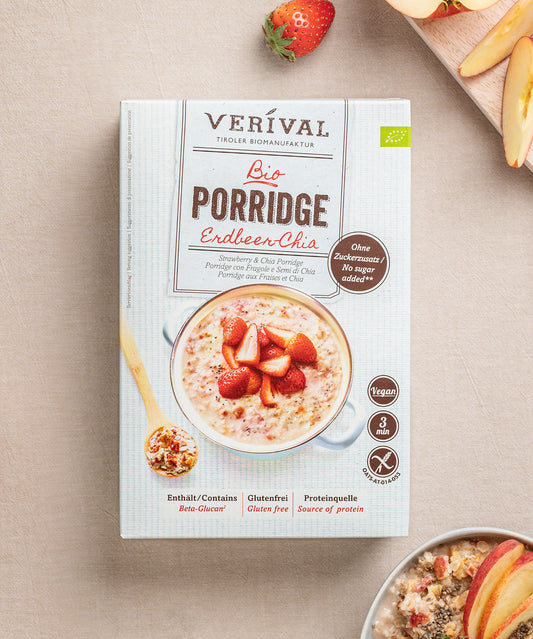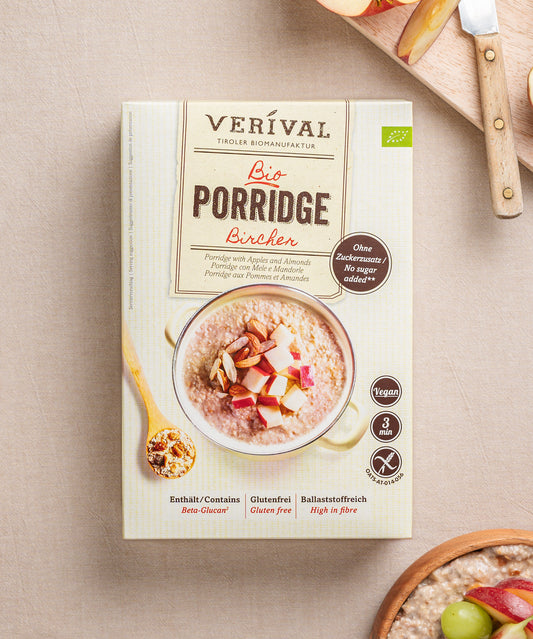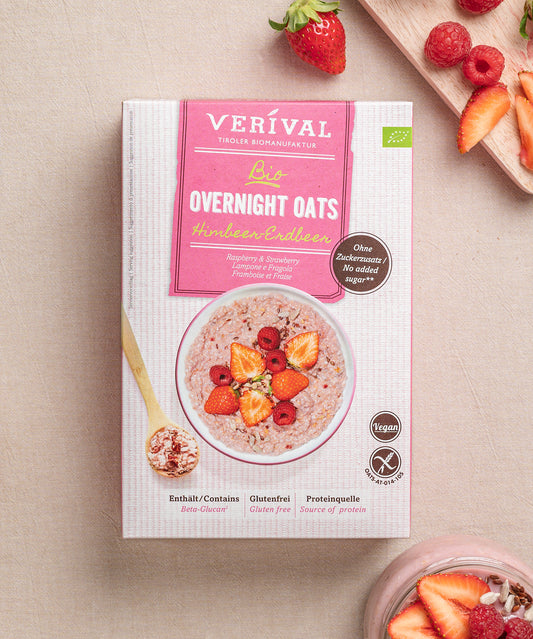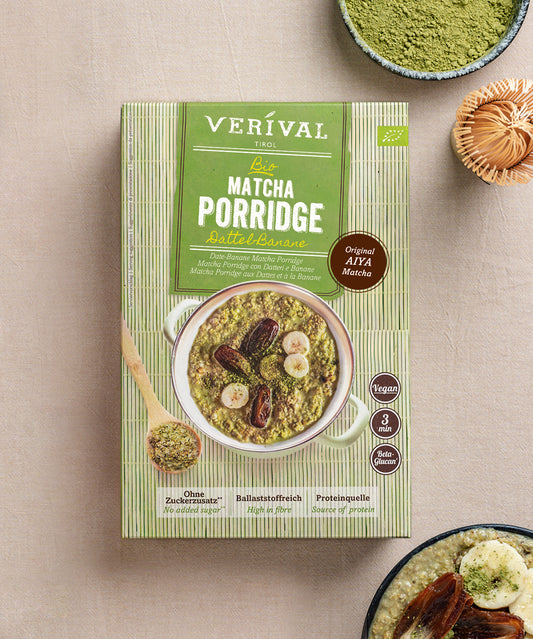

A breakfast that tastes great, keeps you full for a long time, and keeps your blood sugar from spiking—that’s exactly what a Glyx Diet breakfast is all about. You don’t need complicated charts or exotic ingredients to make it. The key is combining a high-fiber source of carbohydrates with protein and high-quality fats—such as rolled oats, plain yogurt, nuts, and berries. Find out how to do it here.
High-fiber breakfast from Verival – Try it now
What makes the Glyx Diet special?
The Glyx Diet is based on the glycemic index, or GI for short. This index describes how much blood sugar rises after consuming a carbohydrate-containing food. Glucose serves as the reference with a value of 100.
Foods with a low GI generally cause blood sugar to rise more slowly than foods with a high GI. According to the German Nutrition Society, a value below 55 is considered low. The medium range is approximately between 56 and 69; values of 70 or higher are classified as high.
The Glyx Diet therefore favors foods with a low or moderate glycemic index. These include many whole-grain products, legumes, nuts, vegetables, and certain types of fruit. Highly processed grain products, white flour, sweets, and sugar-rich beverages, on the other hand, should be consumed only sparingly.
However, the GI alone does not provide a complete picture. It does not take into account portion size or the actual amount of carbohydrates consumed. This is where the glycemic load (GL) comes in. In addition to the GI, it also factors in the amount of carbohydrates in a serving.
However, the GI and GL are not fixed values. Ripeness, processing, preparation, and the combination with protein or fat can influence the blood sugar response. The DGE also points out in its evaluation of the Glyx diet that the glycemic index should always be considered in the context of the entire meal.
The Basics of a Glyx-Friendly Breakfast
For a balanced Glyx diet breakfast, you don’t need to memorize every GI value. A simple breakfast formula will help you put together suitable meals.
1. Choose a high-fiber base
Chunky oatmeal, oat bran, whole-grain muesli, or bread with a high proportion of whole grains and seeds provide complex carbohydrates and fiber. Less highly processed grain products are usually digested more slowly than finely ground or highly processed varieties.
2. Add a source of protein
Plain yogurt, skyr, quark, cottage cheese, eggs, or tofu add protein to your breakfast. Unsweetened plant-based yogurt alternatives are also good options. Be sure to check the protein content of these products, as it can vary significantly depending on the plant-based source.
3. Add nuts or seeds
Walnuts, almonds, hazelnuts, chia seeds, or ground flaxseeds provide fat, protein, and additional fiber. Since they contain very few digestible carbohydrates, their own GI is largely irrelevant. At the same time, they alter the composition of the entire meal.
4. Use fruit or vegetables as a topping
Berries, apples, or pears pair particularly well with sweet breakfast options. For a savory breakfast, cucumbers, tomatoes, radishes, or leafy greens are good choices. Fruit is not strictly off-limits on the Glyx diet. However, ripeness and portion size influence the amount of sugar they contain and the resulting blood sugar response.
A meta-analysis of eleven randomized studies shows that the GI of a breakfast meal can indeed make a difference. Breakfast meals with a lower GI led to a smaller rise in blood sugar after eating in adults. However, this does not mean that a low-GI breakfast automatically leads to weight loss. Overall diet, energy intake, and personal habits remain crucial factors in this regard.
The Best Low-Glycemic-Index Breakfast Options
Depending on your taste, you can make your Glyx diet breakfast hot, cold, sweet, or savory. The following options can be easily adapted to your daily routine.
Oatmeal and Porridge
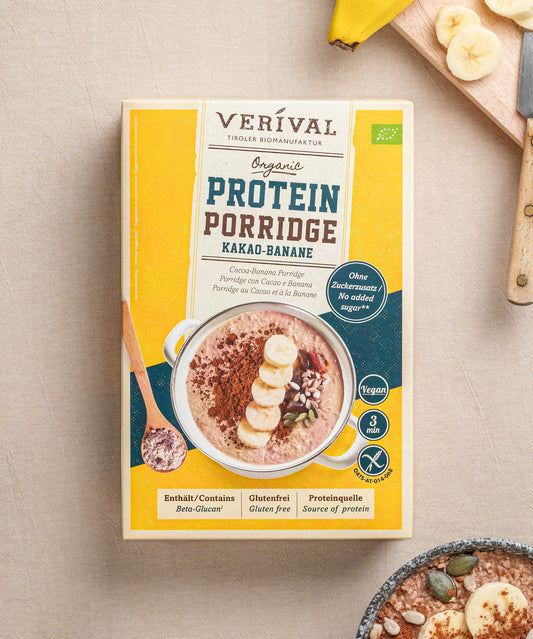
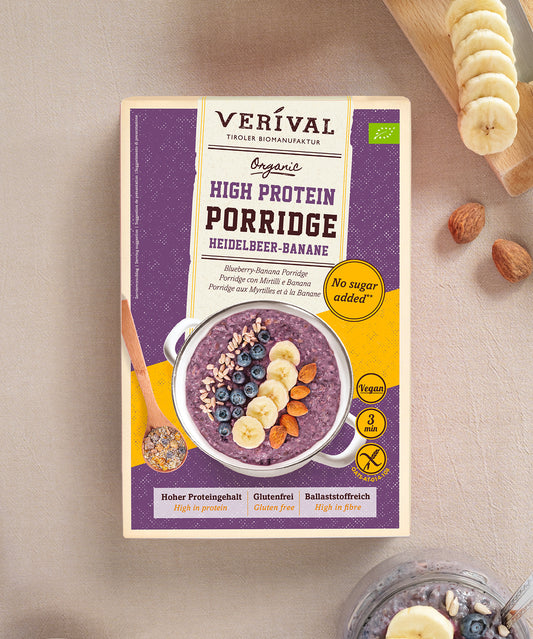
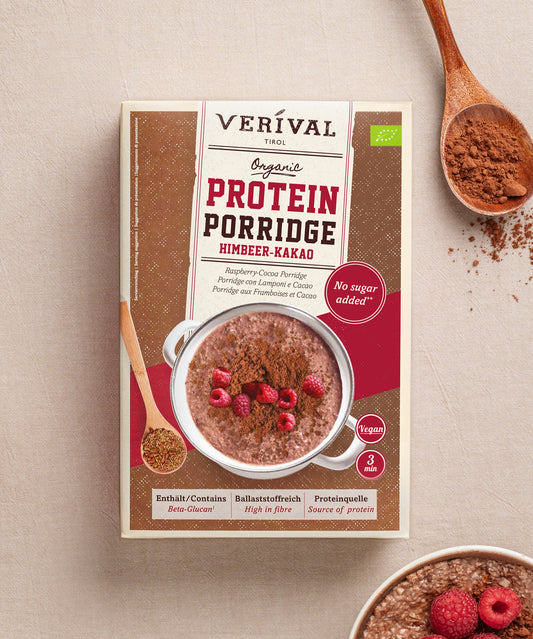
Oatmeal is a versatile base for a Glyx breakfast. They provide fiber, plant-based protein, and beta-glucan, a soluble fiber found in oats.
Whenever possible, choose whole-grain oats or whole-grain-based blends. However, even more important than the exact type of oats is what you pair your porridge with.
A balanced porridge bowl, for example, can consist of the following ingredients:
- whole-grain oats
- milk or an unsweetened plant-based alternative
- plain yogurt or skyr
- raspberries, blueberries, or apple chunks
- walnuts or almonds
- ground flaxseed
- Cinnamon, vanilla, or unsweetened cocoa powder add extra flavor.
Large amounts of honey, maple syrup, or sugary toppings, on the other hand, are less suitable. You should also use dried fruit sparingly, as its natural sugar is highly concentrated due to the removal of water.
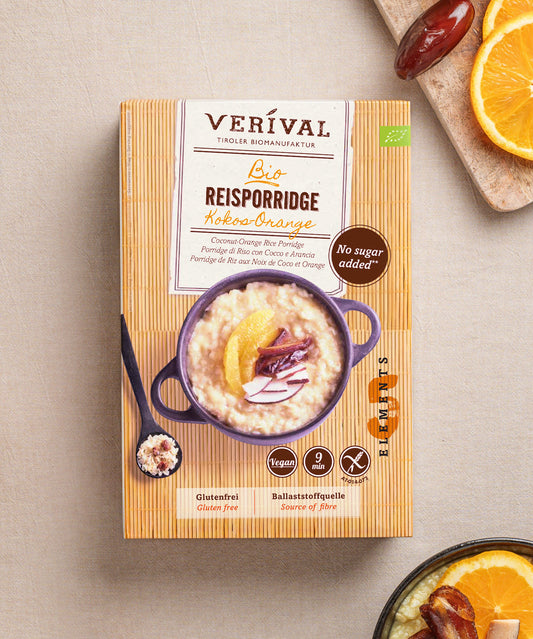
A porridge can still taste pleasantly sweet, though. Often, fresh fruit and spices are enough on their own. If you use ready-made porridge mixes, it’s worth checking the ingredient list and sugar content.

Muesli Varieties with No Added Sugar
Muesli can also be a great fit for a Glyx diet breakfast. The key is to choose a mix that contains whole-grain flakes, nuts, or seeds and as little added sugar as possible.
A simple basic mix consists of rolled oats, a few nuts, and flaxseeds. Add plain yogurt or milk, along with fresh fruit. Berries or finely chopped apples work particularly well.
When it comes to pre-packaged mixes, don’t just look for terms like “Fitness,” “Balance,” or “Natural.” They say little about the actual composition. Instead, check the ingredient list. Sugar, for example, may also be present in the form of syrup or fruit juice concentrate.
However, “no added sugar” doesn’t automatically mean sugar-free. Fruit, milk, or grains may naturally contain sugar. Still, a breakfast with no added sugar makes it easier to make mindful choices.
Less suitable options include heavily sweetened breakfast cereals, cornflakes, and very sweet crunchy mueslis. Their grain components are often highly processed and are sometimes combined with sugar, syrup, or chocolate.
You can whip up a quick low-GI granola bowl with whole-grain granola, plain yogurt, apple slices, almonds, and chia seeds.
Savory Low-GI Breakfast
Do you prefer to start your day with a savory meal? Then eggs, cottage cheese, quark, tofu, and vegetables are good options. These foods provide little to no significant amounts of digestible carbohydrates. Their glycemic index is therefore hardly relevant.
When it comes to bread, it’s worth choosing carefully. Coarse whole-grain bread or multigrain bread is usually digested more slowly than white bread, toast, or light-colored pastries. The actual ingredient list is key here: a dark color alone doesn’t make a bread whole-grain.
Suitable combinations include, for example:
- Whole-grain bread with cottage cheese, cucumber, and watercress
- Omelet with spinach, mushrooms, and tomatoes
- Tofu scrambled eggs with vegetables and a slice of multigrain bread
- Whole-grain bread with hummus and radishes
- Cottage cheese spread with herbs, bell peppers, and whole-grain bread
Even with a hearty breakfast, it’s the entire meal that matters. While a large amount of cheese or a very high-fat spread may lower the bread’s immediate blood sugar response, it doesn’t automatically make the breakfast balanced.
Yogurt cups with low-GI toppings
A yogurt cup is quick to prepare and can be customized anew every morning. Plain yogurt, skyr, or quark make good bases. For plant-based alternatives, opt for unsweetened products and ensure they have sufficient protein content.
Suitable Glyx-friendly toppings include:
- Raspberries, blueberries, or strawberries
- apple or pear slices
- oat bran or whole-grain rolled oats
- walnuts, almonds, or hazelnuts
- chia or flax seeds
- a small spoonful of nut butter
- cinnamon or unsweetened cocoa powder
Less ideal options include sugary fruit yogurts, large amounts of granola, honey, and excessive amounts of dried fruit. Especially with yogurt bowls, various sweet ingredients can quickly add up.
A simple combination consists of plain yogurt, blueberries, oat bran, chopped hazelnuts, and a teaspoon of almond butter. This gives you a creamy bowl with different textures and a balanced mix of nutrients.
Practical Tips for a Glyx Breakfast You Can Enjoy Every Day
A good breakfast doesn’t have to be freshly and elaborately prepared every morning. With a little preparation, the Glyx principle can easily be integrated into your daily routine.
1. Prepare your breakfast the night before
Overnight Oats, pre-made yogurt bowls, or portioned granola mixes save time in the morning. Store crunchy ingredients like nuts and seeds separately and add them just before eating.
2. Make a base mix
Mix rolled oats, oat bran, nuts, and seeds in a storage jar. In the morning, simply add yogurt, milk, and fresh fruit. This way, you don’t have to gather all the ingredients individually every day.
3. Check the ingredient list
The shorter and more straightforward the ingredient list, the easier it is to assess a product. Pay special attention to added sugars, syrups, fruit juice concentrates, and highly processed grain ingredients.
4. Use simple alternatives
Often, small changes are enough:
- whole-grain rolled oats instead of sugary cereals
- plain yogurt with berries instead of fruit-flavored yogurt
- coarse whole-grain bread instead of toast
- Nuts or seeds instead of sweet crunchy toppings
- Fresh fruit instead of juice
5. Keep an eye on portion sizes
Even a food with a low GI can result in a high glycemic load if eaten in a large portion. At the same time, while nuts and nut butters are nutrient-rich, they’re also high in calories. You don’t have to avoid them, but you should portion them out appropriately.

6. Come up with two or three go-to breakfast options
You don’t need a new breakfast creation every morning. A favorite porridge, a simple granola bowl, and a hearty option are enough to give you flexibility depending on your time and appetite.
Conclusion: The best Glyx diet breakfast is a combination
The ideal Glyx Diet breakfast doesn’t consist of a single ingredient. It’s best to combine a minimally processed, fiber-rich source of carbohydrates with protein, nuts, or seeds, as well as fresh fruit or vegetables.
Oatmeal, unsweetened muesli, plain yogurt, and a hearty whole-grain breakfast provide a good foundation for this. Instead of focusing solely on individual GI values, you should also consider portion size, ingredient quality, and the overall composition of the meal. This way, the Glyx principle becomes a breakfast that can be easily integrated into your daily routine without complicated rules.
Try Verival Organic Muesli now
Frequently Asked Questions
What can you eat for breakfast in the morning without carbohydrates?
Virtually carb-free breakfast options include eggs with vegetables, an omelet with cheese, or scrambled tofu. However, completely avoiding carbs isn’t necessary on the Glyx diet: oatmeal, fruit, and whole-grain products can also be part of your breakfast.
What should I cook? A simple Glyx Diet recipe
For a simple Glyx breakfast, you can cook rolled oats with milk or water to make porridge. Plain yogurt, berries, nuts, and flaxseeds add protein, fat, and extra fiber to the meal.
How can I lose weight with the Glyx diet?
Foods with a low GI are often high in fiber, minimally processed, and filling. This can make it easier to consume fewer calories overall and lose weight in the long term. However, portion sizes, total calorie intake, and a diet that can be sustained over the long term remain crucial.