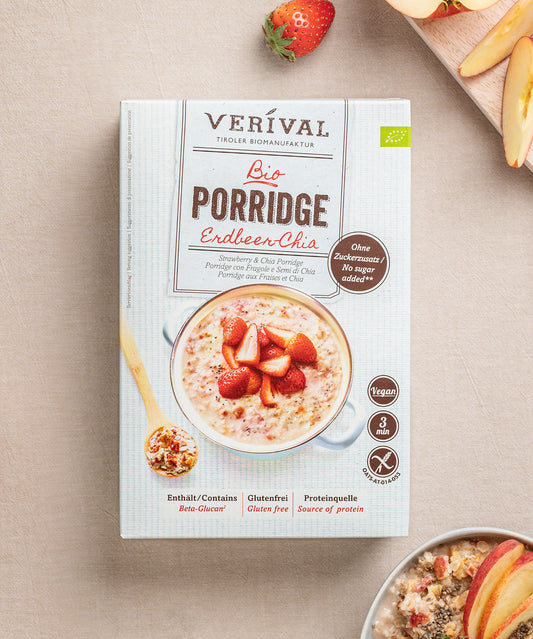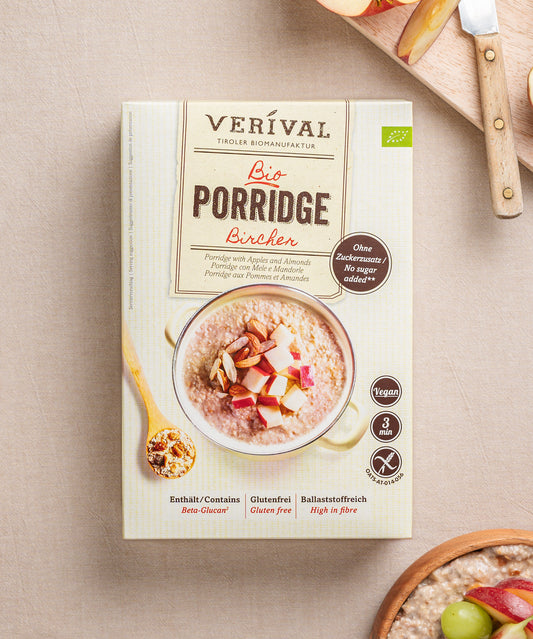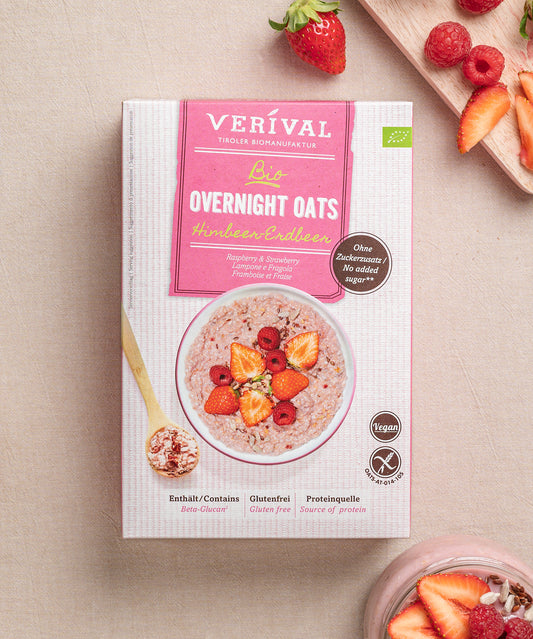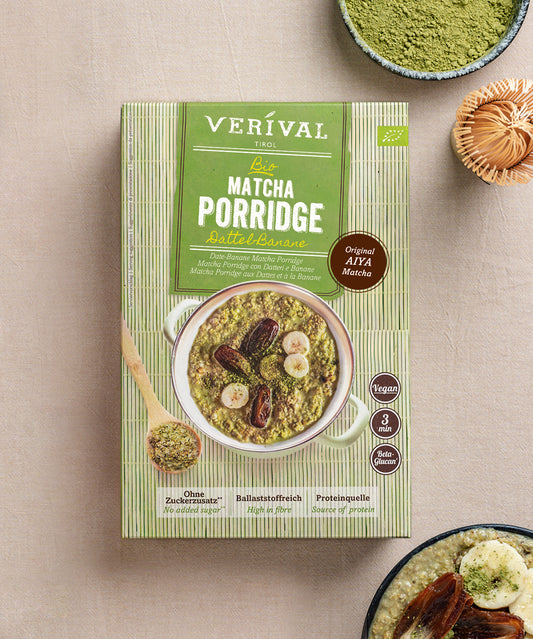

More and more people are turning to recipes and products that are considered “sugar-free.” At the same time, these often contain large amounts of dates. You want to eat healthily, keep your blood sugar stable, and still enjoy your food—and this is where it gets interesting. Dates taste sweet, are natural, and are perfect for bars, cakes, or energy balls. But ‘natural’ does not automatically mean “safe.” In this article, we'll take a look at how healthy dates really are and what you should watch out for.
Verival Muesli with no added sugar – Try it now
Sugar-free – what does that actually mean?
When you come across foods advertised as “sugar-free,” you probably immediately think of something particularly healthy. But the term often causes confusion. Many people believe that “sugar-free” automatically means that no sugar is contained – neither table sugar nor any other sweet ingredients. In practice, however, the situation is different.
According to food information, “sugar-free” simply means that a product contains a maximum of 0.5 g of sugar per 100 g or 100 ml. Products that are sweetened with dates do not, of course, meet this requirement. Strictly speaking, they cannot be labeled as “sugar-free.” Nevertheless, the term appears constantly, especially in recipes and on social media. There, “sugar-free” usually means something else: free of refined table sugar, i.e., free of white industrial sugar—but not free of sugar in general.
To help you make informed decisions when shopping and cooking, it is worth taking a closer look at the various terms.
“No added sugar” – sounds better, but doesn't mean everything
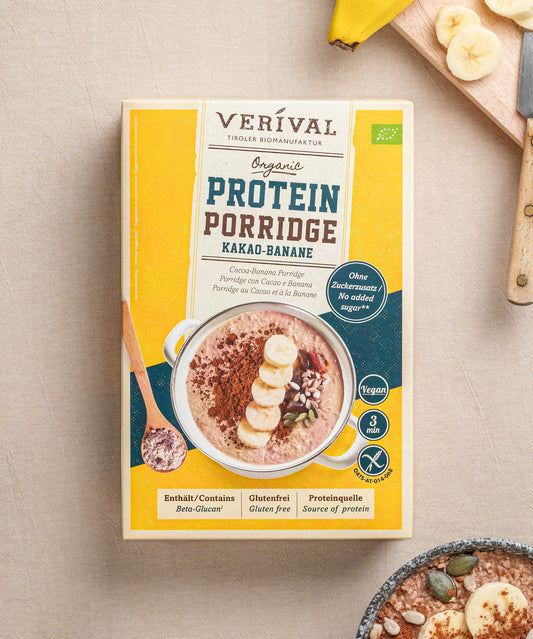
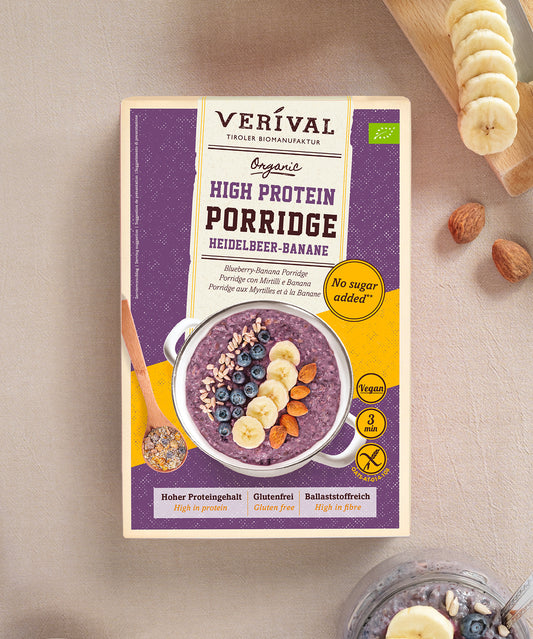
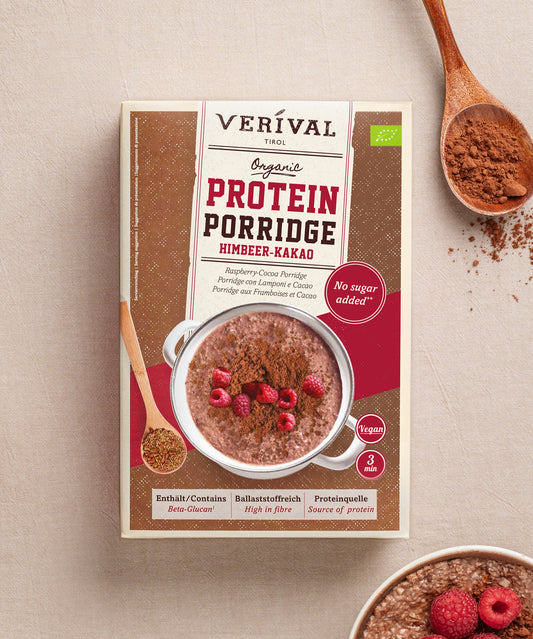
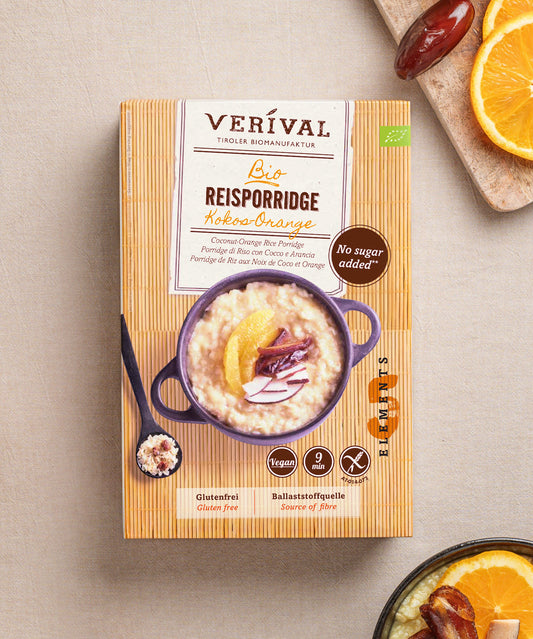
Many manufacturers use the phrase “no added sugar” instead of “sugar-free.” This sounds healthier and more honest. However, this statement does not mean that the product contains no sugar. It simply means that no additional sugars such as sucrose, glucose, fructose, honey, or syrup have been added to the product. However, if fruits, juices, or date paste contain natural sugars, this is completely legal—and sometimes the amounts are extremely high.
Dried fruits such as dates are among the richest natural sources of sugar, yet they are considered “healthy sweeteners” in recipes . This is only partially true, and the fructose content in particular deserves your closer attention later on.
So if you really want to reduce your sugar consumption, simply cutting out industrial sugar is not enough. You also need to pay attention to how much natural sugar—such as that found in dates—ends up in your diet overall.
Dates as a natural sweetener: benefits and nutrients
At first glance, dates seem like the perfect natural sweetener. They taste intensely sweet, have a caramel flavor, and can be used in many ways—whether in energy balls, cakes, smoothies, or as date caramel. Many people automatically feel “healthier” because they don't use white sugar. And indeed, dates provide more than just sweetness.
Each date is a little powerhouse of vitamins, minerals, and fiber that support your metabolism and keep you feeling full for a long time. This sets them apart from regular table sugar, which provides practically only energy and no nutrients. So if you want something sweet that isn't completely “empty,” dates seem like a good compromise at first glance.
What's in them? – A look at the nutrients
Dates mainly contain potassium, which supports your fluid balance and supplies your muscles. At the same time, they provide magnesium, which calms your nervous system and is particularly helpful in times of stress. They also contain B vitamins, some iron, and a good amount of fiber, especially soluble fiber such as pectin.
This fiber helps your intestines to work more calmly, as it binds water and can soften your stool. It also ensures that the sugar from the date does not shoot into the blood as quickly as pure industrial sugar.
Nevertheless, you should be aware that dates consist of 65–70% sugar, mainly fructose. This is precisely what determines whether dates are really a healthy alternative—or whether they can become a sugar trap, especially for people with sensitive intestines or irritable bowel syndrome.
Sugar substitute or sugar trap?—A look at fructose
At first glance, dates seem harmless; after all, they come from nature and are one of the oldest cultivated fruits. But as soon as you use them as a sweetener, the amount of fructose increases rapidly. This is where the problem begins. Fructose puts more strain on your liver than other types of sugar because your body processes it almost exclusively there.
If you eat a lot of dates or use them frequently in recipes, more fructose accumulates than your body can comfortably process. In the long term, this can cause your liver to become overwhelmed, make you gain weight more easily, or cause your blood sugar levels to fluctuate wildly. In addition, fructose does not satisfy hunger as reliably as glucose. This means you are more likely to overeat.
What fructose means for your gut
People with irritable bowel syndrome, sensitive stomachs, or fructose malabsorption are particularly familiar with the effects: flatulence, bloating, diarrhea, or cramps. The gut can only absorb fructose to a limited extent. As soon as it gets more than it can transport, the fructose ends up undigested in the large intestine. There, it is fermented by bacteria—and that is exactly what leads to the typical symptoms.
That doesn't mean that dates are “bad” across the board. But if you use them as a sugar substitute on a large scale, you can quickly end up with 5, 10, or 15 dates in a recipe—and thus an enormous amount of fructose. That is often far too much for your intestines.
Dates compared to industrial sugar
Unlike white sugar, dates not only provide energy but also nutrients. You get fiber, minerals such as potassium and magnesium, and small amounts of vitamins. These substances have a positive effect on your body because they support your metabolism, buffer your blood sugar a little better, and keep you feeling full longer.
Dates also contain secondary plant substances that have an antioxidant effect. This means they can neutralize free radicals and counteract inflammatory processes. And very importantly, they have a more complex flavor profile that you can never achieve with regular sugar—caramel-like, warm, intense.
In this respect, dates clearly beat industrial sugar. They offer not only sweetness but also substance.
Discover our healthy Verival snacks here!
Where dates are still not a “healthy alternative”
Despite all these advantages, one point remains crucial: dates contain extremely high levels of sugar. The difference to industrial sugar is therefore less in the quantity than in the form. If you bake a cake with 200 g of dates, you end up with about the same amount of sugar on your plate as you would with 200 g of table sugar – just packaged in fiber and nutrients.
But in the end, it's the amount of sugar that counts for your body, not just the type of sugar. And that's where you have to be honest: if you live a “sugar-free” lifestyle but eat date brownies, energy balls, and smoothies with date paste every day, you're still consuming very large amounts of sugar.
Your intestines will notice this in particular, because the high fructose content quickly leads to discomfort. And your liver works just as hard as it does with other sources of sugar, sometimes even harder.
Healthy amount: How many dates are reasonable?
How much is “good” – and when does it become too much?
Even though dates are a natural food, you should not eat them in unlimited quantities. Their high fructose content remains crucial – even if you eat a conscious and balanced diet. A reasonable amount for most people is 1–3 dates per day, depending on how sensitive your intestines are and how much sugar you consume in total.
This amount provides you with a few valuable nutrients without unnecessarily straining your blood sugar or upsetting your digestion. However, as soon as you eat ten dates a day or regularly use large portions of date paste in recipes, your fructose intake quickly rises to a level that stresses your metabolism and your intestines. And that's when the supposed benefit turns into a clear sugar trap.
What you should pay particular attention to
If you have sensitive digestion, irritable bowel syndrome, SIBO, or known fructose malabsorption, your body often reacts even to small amounts of dates. In this case, it is worth slowly testing how much you can tolerate. Start with half to one date and only increase the amount if your stomach remains calm.
In addition, it's not just the daily amount that counts, but also the way you combine dates. If you combine them with a source of protein or fat—such as nuts, yogurt, or seeds—your blood sugar will rise more slowly. Nevertheless, the amount of fructose remains the same, and that's exactly what you should always keep in mind.
So dates are not forbidden. But they are also not a free pass for a sugar-free diet. Conscious enjoyment means not eating large quantities every day, but eating them in a targeted, balanced way with your body in mind.
Practical tips for everyday life
If you use dates consciously, you can benefit from their natural sweetness without overloading your body. The most important step is not to use them as a large-scale substitute for industrial sugar, but as a small supplement. For example, if you're making a creamy smoothie, a single date is often enough to achieve the right sweetness. The same applies to overnight oats, yogurt, or porridge. You don't need a handful—one or two is enough.
It's also worth taking a very close look at baking. Many “sugar-free” recipes on the internet rely on large quantities of dates or date paste to achieve the sweetness of a normal cake. Instead, you can reduce the total amount and work with spices such as cinnamon, vanilla, or cardamom. This will give your baked goods an aromatic flavor without the need for excessive amounts of dates.
What to look out for if you have a sensitive digestive system
If you have a sensitive digestive system, you should not only pay attention to the amount you eat, but also to how you combine dates. Never eat them on an empty stomach, as the fructose will quickly end up in the small intestine and may cause discomfort. Instead, always combine dates with something that slows down your digestion—such as yogurt, nuts, chia seeds, or a spoonful of nut butter.
It also makes sense to avoid products such as date syrup or date paste. They act almost like pure sugar in the body because they lack the fiber that provides at least some protection in whole dates. So if you want to sweeten with dates, stick to whole fruits. They are always the better choice.
And finally: be sure to listen to your body. If you regularly experience flatulence, restlessness, or abdominal pain after eating dates, reduce the amount or take a short break. Every intestine reacts differently—and you should rely on your own feelings.
Discover and celebrate the entire Verival breakfast range here!
Conclusion: Enjoyment yes – but consciously
Dates can be a great alternative if you are looking for natural sweetness, want to add more nutrients to your diet, and crave an intense, caramel-like flavor. But despite everything, they remain sugar bombs, even if they appear in a healthier guise. The decisive factor is not whether the sugar is natural or refined, but how much you consume on a daily basis.
If you use dates consciously, consume them in moderation, and listen to your gut, they can fit wonderfully into a balanced diet. You don't have to demonize them – but you shouldn't celebrate them in huge quantities either. In the end, the truth lies somewhere in the middle: enjoy dates, but realize that they are sweets—just ones with nutrients.
By paying close attention to fructose, portion sizes, and your digestion, you can find the amount that is good for your body. And that's what it's all about: conscious enjoyment instead of a sugar trap in natural food packaging.