
Oat groats are appearing more and more frequently in recipes and nutrition plans – and rightly so. They provide you with concentrated nutrients, keep you feeling full for longer and support your body in a natural way. Many people are familiar with oat flakes, oat bran or oat flour, but oat groats often remain a bit of a mystery. Yet this is where the original power of oats lies, because the grain is hardly processed and thus retains almost all of its valuable components. In this article, you will learn what makes oat groats so special, how to use them in the kitchen and why they take your metabolism, digestion and breakfast to a whole new level.
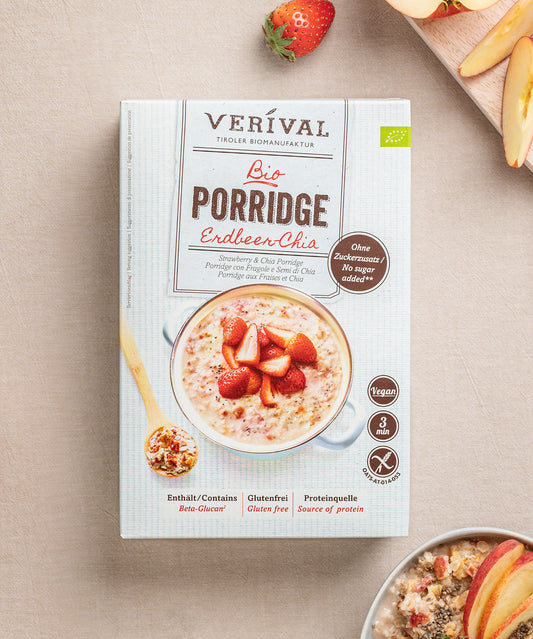
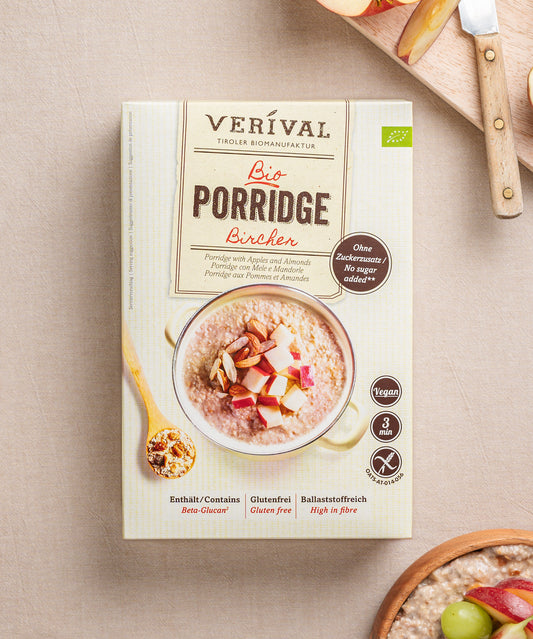
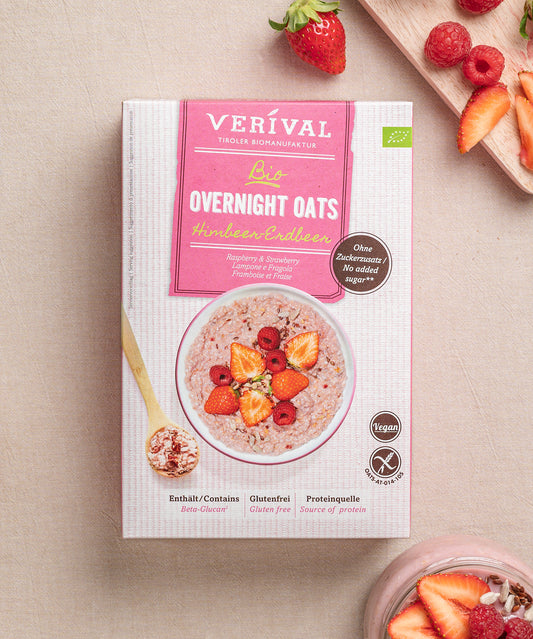
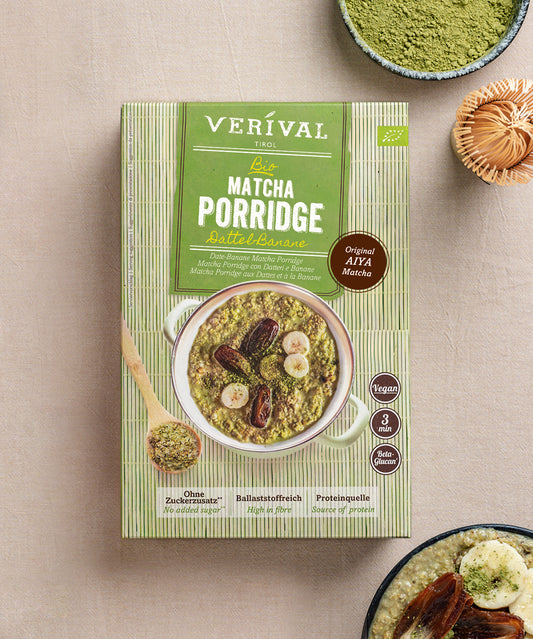
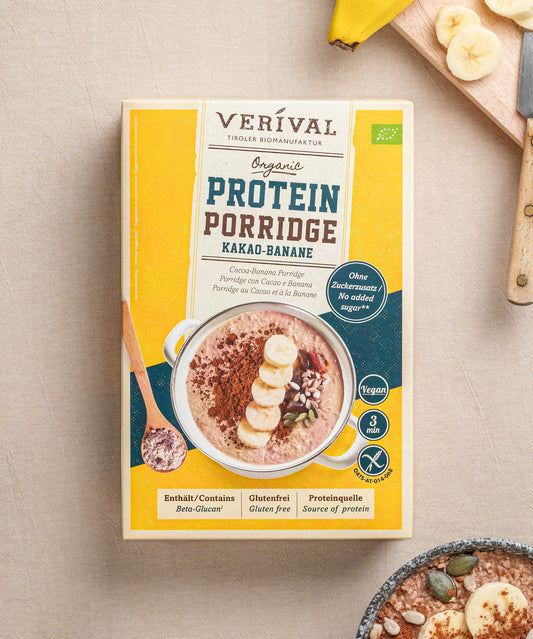
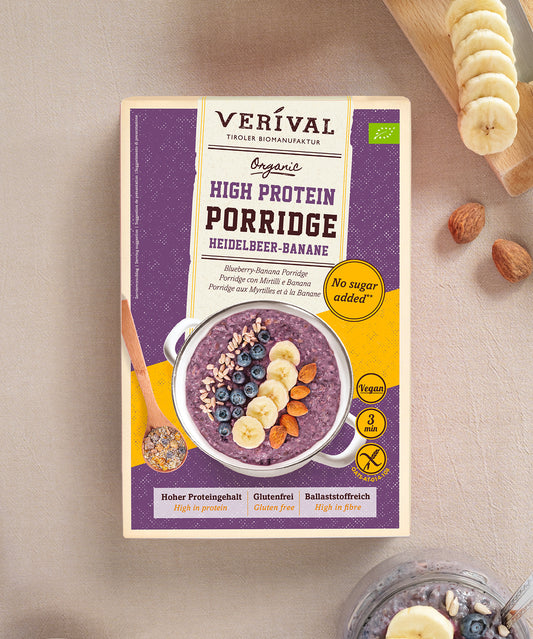
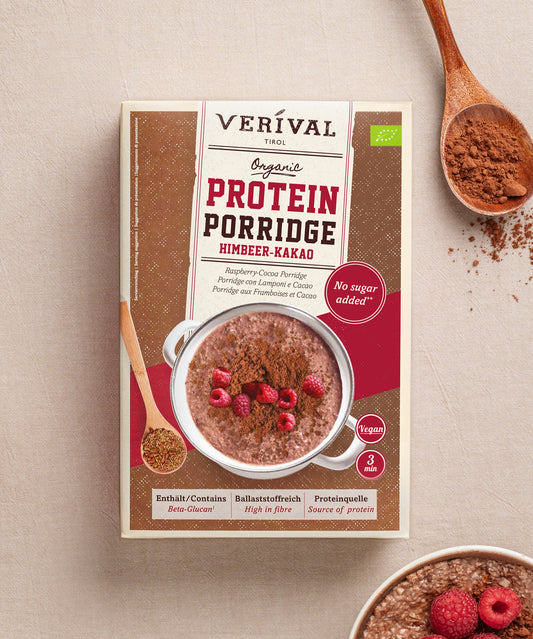
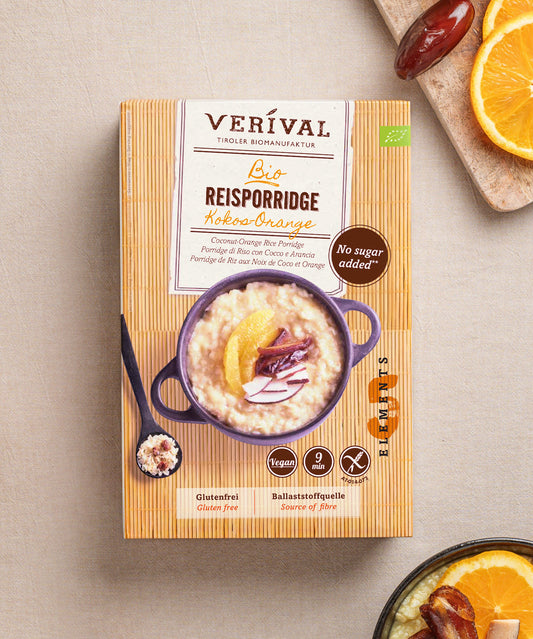
Verival Porridge – the classic breakfast choice!
Oats, the local superfood – why are they so healthy in general?
Oats are one of the most valuable grains we grow in Central Europe. They are robust, require little care and still provide you with an impressive amount of vitamins, minerals and high-quality fibre. Unlike many other grains, oats contain particularly high levels of beta-glucan – a soluble fibre that has been proven to lower your cholesterol levels, aid digestion and keep your blood sugar stable. It is precisely this combination that makes oats a real power grain, providing you with a steady supply of energy and keeping you full for hours.
Why your body benefits so much from oats
Oats provide you with complex carbohydrates that your body processes slowly. This helps you avoid blood sugar spikes and feel alert, focused and balanced for longer. At the same time, oats contain plant protein of a quality that is almost unique among grains. They also contain iron, magnesium, zinc and B vitamins – all building blocks you need for energy, strong nerves and a stable metabolism.
If you want to start your day consciously and healthily, oats provide you with a perfectly balanced mix of satiety, nutrients and natural energy. They stimulate your bowels, support your intestinal flora and have an anti-inflammatory effect. That's why they always top the list of the healthiest breakfast foods.
Where do oats actually come from?
Oats have been around for several thousand years. They originally come from the regions around the Middle East and West Asia, where they initially grew as ‘weeds’ among other types of grain. It was only later that people realised how robust and nutritious oats are. Over time, the grain spread further and further into Europe, where it quickly became an important staple food.
Why oats are so popular today, especially in Northern Europe
Oats thrive particularly well in cool and humid regions such as Germany, Austria and Scandinavia. Unlike wheat or rye, oats require less heat, cope well with poor soil and still provide a high nutrient density. That is why oats are now considered a typical Central European superfood that grows right on our doorstep.
What exactly is oat groats?
Oat groats are produced when whole oat grains are coarsely ground. This means that the whole grain is preserved – including the germ, outer layers and aleurone layer. It is precisely these components that contain the most fibre, minerals and vitamins. Unlike more heavily processed oat products, oat groats therefore remain particularly nutritious and natural. Depending on the degree of grinding, oat groats can be fine, medium or coarse, with the coarse variety being ideal for porridge and oatmeal, while fine groats are better suited for baking.
The special consistency of oat groats
Oat groats have a rather rustic texture that you can feel more clearly in your mouth compared to oat flakes. Due to its coarse structure, oat groats swell more slowly and provide longer, more even satiety. This is precisely why many people turn to them when they want to keep their blood sugar stable or support their digestion.
The difference to oat flakes
Oat flakes are produced by steaming and rolling the whole grains. This makes them softer and quicker to cook. Oat groats, on the other hand, are not steamed, but only coarsely crushed. This gives them more bite, takes longer to cook and provides a more intense aroma.
The difference between oat bran and oat groats
Oat bran consists exclusively of the outer layers of the oat grain – i.e. the outer layers and the germ. Bran is particularly rich in fibre, but contains less of the starchy interior of the grain. Oat groats, on the other hand, are a whole grain product and have a more balanced nutritional profile.
The difference to oat flour
Oat flour is made from very finely ground oats. It is ideal for baking, but swells quickly and has a completely different consistency to groats. In comparison, oat groats provide more structure, bite and slower digestion – perfect for long-lasting satiety.
What makes oat groats so healthy?
Oat groats are one of the most original oat products because you get the whole grain in its natural form. It is precisely this whole grain structure that makes it so valuable: all the nutrient-rich components – the germ, outer layers and aleurone layer – are preserved. This provides your body with significantly more vitamins, minerals and fibre than more processed oat products. The nutrient complex remains intact, which stabilises your blood sugar, keeps you feeling full for longer and gently supports your digestion.
Slow digestion – long-lasting energy
The coarse structure of oat groats means that your body takes longer to digest them. This has several advantages: your blood sugar rises more slowly, you stay focused for longer and you avoid cravings. Especially in the morning, oat groats act as a natural energy store that gets you through the day without energy slumps or fatigue.
Positive effect on the intestines, heart and metabolism
Oat groats contain beta-glucans – soluble fibre that has been proven to lower cholesterol levels and protect the cardiovascular system. At the same time, they promote healthy gut flora by nourishing good bacteria in the gut and harmonising digestion. Oats are also low in gluten (not completely gluten-free), which is why many people with sensitive digestion tolerate them well. The proteins, B vitamins, antioxidants and minerals such as iron and magnesium they contain also help to support your metabolism, muscles and immune system.
Discover our healthy Verival snacks here!
Nutrients and health benefits of oat groats
Oat groats provide an impressive amount of fibre, which stimulates your digestion, stabilises your blood sugar and prolongs your feeling of fullness. Soluble fibre, especially beta-glucans, is particularly valuable. They form a gel-like substance in the intestine that releases sugar into the blood more slowly and at the same time binds excess cholesterol. As a result, oat groats not only strengthen your intestinal flora, but also your cardiovascular system. The insoluble fibre, on the other hand, ensures good stool volume and promotes regular digestion. This combination makes oat groats extremely harmonising, even for sensitive stomachs.
Protein – a high-quality plant-based protein source
Oats are one of the best plant-based sources of protein because their protein has a particularly balanced amino acid profile. Oat groats contain around 12–14% protein and provide you with important building blocks for muscles, skin, enzymes and hormones. In combination with nuts, seeds or yoghurt, you get a complete protein supply that boosts your metabolism and strengthens your body in the long term. Oat groats are therefore particularly effective for breakfast or after exercise.
Vitamins and minerals – small building blocks with a big impact
Oat groats are full of micronutrients that are essential for your body:
- B vitamins: support nerves, energy production and metabolism.
- Magnesium: relaxes muscles and helps you regulate stress better.
- Iron: important for oxygen transport, energy and concentration.
- Zinc: strengthens your immune system and your skin.
- Manganese: supports bones, tissue and antioxidant processes.
As oat groats are less processed than oat flakes, many of these nutrients are particularly well preserved.
Influence on blood sugar and digestion – stabilising and calming
Due to its coarse structure and high soluble fibre content, oat groats act as a natural blood sugar regulator. The nutrients enter the bloodstream slowly, which prevents energy slumps and reduces cravings. Oat groats are therefore ideal for people with insulin resistance, type 2 diabetes, PCOS or fluctuating energy levels. Digestion also benefits: beta-glucans act as a balm for the intestinal mucosa, promote good intestinal bacteria and can have a beneficial effect on irritable bowel syndrome, flatulence or sensitive digestive systems.
The use of oat groats
Oat groats are perfect for warm breakfast porridge, as their coarse texture gives them a particularly creamy, filling consistency. Since oat groats need to soak longer than oatmeal, they develop an intense, nutty flavour. You can cook them with water, plant-based milk or cow's milk and add berries, cinnamon or nuts to taste. Soaking oat groats overnight also makes them soft and easier to digest – ideal if you don't have much time in the morning. Warm oat groats porridge has a soothing and mild effect, especially on sensitive digestion.
Baking and cooking – nutty texture for savoury and sweet dishes
With its coarse texture, oat groats add bite and nutrients to many dishes. You can mix it into bread dough to increase the fibre content and give it a richer flavour. It also works well in patties, casseroles and savoury muffins. For sweet recipes such as biscuits, muesli bars or cakes, oat groats add texture and prevent the dough from becoming too soft. They go particularly well with nuts, dried fruit and seeds.
Smoothies and shakes – for more satiety and nutrients
Oat groats are also perfect in smoothies and shakes if you want to make them more nutritious and filling. In this case, you should soak the groats beforehand or grind them finely to achieve a more pleasant consistency. The fibre keeps your blood sugar stable and keeps you feeling full for longer – ideal as a quick breakfast, snack or post-workout meal. Combined with banana, berries, yoghurt or almond butter, it makes a creamy, wholesome drink.
Tips for everyday life
Oat groats can be easily integrated into your everyday life if you develop a few simple routines. It's best to prepare small supplies on a regular basis – for example, by cooking a larger portion of oat groats porridge and storing it in the fridge for two to three days. This way, you'll always have a quick, warm breakfast ready that will keep you feeling full for a long time.
Another option is to soak the oat groats in the evening. This significantly reduces the cooking time the next morning and also makes them even more digestible. You can also grind the groats in portions if you want to use them more spontaneously – for example, in smoothies or to thicken soups.
In everyday life, it also helps to place oat groats in a visible place: put them on a shelf where they are easily accessible so that you automatically reach for them more often. Combined with spices such as cinnamon, vanilla or cardamom, they never become boring and remain versatile.
Oat groats and breakfast – why oats are healthy in the morning
If you want to start your day consciously and nutritiously, oat groats offer the perfect foundation. Thanks to their high fibre content, they provide a steady and long-lasting supply of energy without causing your blood sugar to spike. This is exactly what makes them an ideal breakfast staple, as they keep you feeling full for longer, prevent cravings and support your digestion at the same time.
In the morning, your body is particularly sensitive to sugar and quickly available grains. Oat groats act as a natural buffer here: they slow down carbohydrate absorption and stabilise your metabolism. They also provide valuable protein, which helps you start the day focused and productive.
In addition to its health benefits, oat groats are also impressive due to their versatility. You can enjoy them as warm porridge, combine them with fruit or use them as a nutritious basis for a hearty breakfast. This automatically makes your morning more balanced and beneficial.
Discover and celebrate the entire Verival breakfast range here!
Conclusion: Oat groats
Oat groats are one of the most original and nutritious forms of oats – and that is exactly what makes them so valuable for your daily diet. You benefit from an impressive amount of fibre, vitamins, minerals and high-quality protein, which together strengthen your digestion, keep your blood sugar stable and provide you with long-term energy. At the same time, oat groats are incredibly versatile, whether in breakfast porridge, baking or savoury recipes. If you want to consciously support your body, oat groats offer you a simple, regional and natural way to make your diet healthier and more powerful.